
IPL Photofacial
Years of sun exposure, environmental stressors, and natural vascular changes can leave skin looking uneven, speckled, or prone to persistent flushing. An IPL Photofacial offers a gentle, non-invasive method to address scattered pigmentation and visible redness deep beneath the skin surface without disrupting your daily routine. At M-Aesthetics, we tailor light-based care to clarify your complexion and support a smooth, balanced appearance.
Book a Consultation →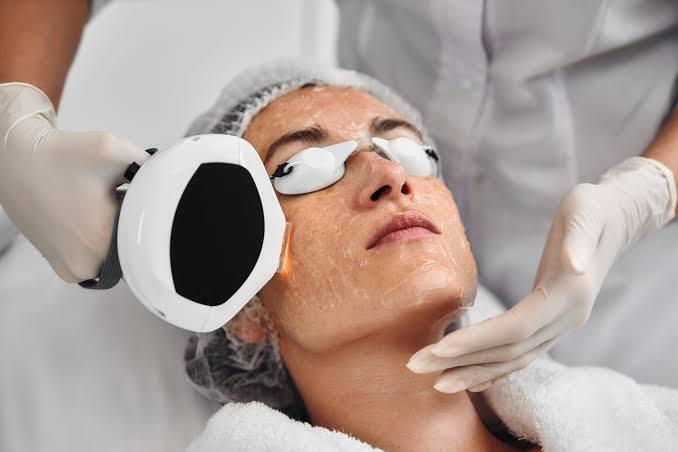
What Can IPL Photofacial Treat?
Sun Spots and Age Spots
Flat brown spots, sun freckles, and solar lentigines often surface on areas most exposed to UV rays, such as the face, neck, chest, and hands. An IPL Photofacial delivers targeted light energy that is preferentially absorbed by concentrated melanin deposits. The heat breaks the pigment into tiny particles, which rise to the surface and naturally flake off as your skin renews. Over a series of sessions, sun spots fade, restoring a clearer skin tone.
Rosacea and Diffuse Facial Redness
Persistent flushing, lingering redness across the central face, and rosacea flare-ups occur when superficial blood vessels dilate close to the skin surface. Broad-spectrum light targets the red hemoglobin in these micro-vessels, where thermal energy gently coagulates the vessel walls to encourage natural reabsorption. This helps calm diffuse redness and reduces overall flushing over time.
Broken Capillaries and Spider Veins
Small, visible thread veins (telangiectasias) frequently appear around the nose, cheeks, and chin due to genetics, sun exposure, or environmental conditions. IPL light selectively targets these distinct vascular marks without affecting surrounding tissue. As the energy seals the damaged vessel, it gradually fades from view over one to two weeks.
Hyperpigmentation and Uneven Skin Tone
Patchy discoloration and blotchy skin tone can result from past sun damage or environmental irritation. Broad-spectrum light pulses reach varied depths within the upper dermis to break down scattered dark spots and restore tonal uniformity. While deeper hormonal pigmentation requires careful evaluation, IPL helps unify overall surface discoloration across treated zones.
Mild Textural Dullness and Early Aging Signs
Though primarily a pigment and vascular therapy, IPL gentle thermal energy mildly warms the underlying dermis. This controlled warming encourages low-level collagen remodeling within the skin matrix. While IPL is not a primary treatment for deep wrinkles or skin laxity, clients often notice a subtle refinement in pore appearance and overall skin clarity.
What Is IPL Photofacial?
An IPL (Intense Pulsed Light) Photofacial—also known as photorejuvenation—is a non-invasive light-based therapy designed to address color irregularities in the skin. Unlike single-wavelength lasers, IPL utilizes a broad spectrum of light wavelengths. Specialized optical filters isolate precise bandwidths, allowing the treatment to address brown pigment (melanin) and red vascular tones (hemoglobin) simultaneously.
When light pulses penetrate the skin, targeted chromophores (pigment or blood vessels) absorb the optical energy and convert it into thermal energy. This selective heating breaks down unwanted brown pigment and closes damaged capillaries while leaving the surrounding skin surface intact. Over the following days and weeks, your body naturally clears away the fragmented pigment and cellular debris through standard cellular turnover.
Because IPL relies on pigment contrast, it works safest and most effectively on light-to-medium skin tones (Fitzpatrick skin types I–III and carefully assessed type IV). It is important to note that IPL is not an ablative laser resurfacing treatment and is not intended to treat deep structural sagging, severe scarring, or active melasma without pre-screening. A personalized skin evaluation confirms whether light therapy is suitable for your specific skin type and tone.
Benefits of IPL Photofacial
Dual Target Capabilities for Pigment and Redness
How it works: Broad-spectrum light addresses both brown melanin deposits and red hemoglobin within a single treatment session.
What this may mean for you: You can treat sun damage and vascular flushing concurrently, saving time while improving overall tone uniformity.
Non-Ablative and Surface-Preserving
How it works: Light passes through the outer epidermis to heat deeper targets without removing or peeling the protective top skin layer.
What this may mean for you: You experience minimal outward recovery, allowing you to return to work and daily activities immediately after your appointment.
Customizable Filter Options
How it works: Spectrum cutoff filters allow energy settings to be tailored based on skin tone, depth of pigment, and specific vascular concerns.
What this may mean for you: Energy parameters are adjusted safely to match your unique skin response and clinical goals.
Natural Exfoliation of Sun Damage
How it works: Targeted pigment darkens initially before sloughing off during your skin’s normal cellular turnover.
What this may mean for you: Brown spots lift and fade naturally over 7 to 14 days without requiring harsh chemical peeling.
Soother, Calmer Appearance for Sensitive Skin
How it works: Thermal coagulation of enlarged micro-capillaries decreases blood pooling near the skin surface.
What this may mean for you: Facial flushing and sensitivity associated with visible capillaries become less pronounced.
Versatile Multi-Area Application
How it works: The applicator can safely scan large surface areas beyond the face, including the décolletage, shoulders, and backs of hands.
What this may mean for you: Sun damage on high-exposure body areas can be cleared alongside your facial rejuvenation routine.
What to Expect
Consultation and Suitability Assessment
Before initiating IPL therapy, an in-depth skin assessment is conducted. We review your health history, recent sun exposure habits, medication use, and skin type to confirm candidacy and prevent light-sensitivity complications.
Pre-Treatment Preparation
- Avoid direct sun exposure, self-tanners, and tanning beds for at least four weeks prior to treatment.
- Discontinue topical retinoids, AHA/BHA exfoliants, and active serums three to five days before your session.
- Inform your provider if you are taking light-sensitizing medications (such as certain antibiotics).
During the Procedure
Your eyes are protected with specialized safety goggles throughout the procedure. A cool coupling gel is applied to clean skin to guide light transmission and protect the surface layer. The applicator is then systematically guided across the treatment area, emitting brief pulses of light.
Sensations and Duration
A standard treatment session takes approximately 30 to 45 minutes, depending on the target area size. Most clients describe the pulse sensation as a brief, warm snap against the skin, similar to a small rubber band release. Integrated surface cooling helps maintain comfort throughout.
Temporary Aftereffects and Downtime
- Immediate Reaction: Skin may appear mildly flushed or pink, similar to light sun exposure, lasting a few hours up to 24 hours.
- Pigment Darkening: Brown spots typically darken over 24 to 48 hours, taking on a fine, peppered appearance before flaking off naturally within 7 to 14 days. Do not scrub or pick at these areas.
- Vascular Response: Minor temporary darkening or light bruising of treated capillaries may occur.
Post-Care Guidelines
- Apply a gentle cleanser and light, hydrating moisturizer.
- Refrain from hot showers, saunas, hot tubs, and heavy workouts for 24 to 48 hours to avoid exacerbating redness.
- Apply a broad-spectrum mineral sunscreen (SPF 30 or higher) daily to protect healing skin from fresh UV exposure.
Sessions and Expected Timeline
- Initial Response: Brighter skin and initial pigment clearing appear one to two weeks following your first session.
- Recommended Protocol: Optimal results generally develop over a series of three to five sessions, spaced three to four weeks apart.
- Maintenance: Periodic touch-up sessions once or twice a year help maintain skin clarity against ongoing environmental sun exposure.
Is IPL Photofacial Right for You?
An IPL Photofacial is an excellent choice for individuals with fair to medium skin tones who wish to reduce sun spots, freckles, redness, or visible facial capillaries without surgical downtime. Ideal candidates are committed to practicing diligent sun protection before and after their treatments.
IPL therapy is not suitable for everyone. Treatment must be delayed or avoided if you have a recent sun tan, sunburn, active skin infection, open wounds, active eczema/psoriasis in the target area, or if you are pregnant or breastfeeding. Individuals with darker skin tones (Fitzpatrick skin types V–VI), a history of keloid scarring, or those taking photosensitizing medications may require alternative cosmetic treatments. Suitability is always verified during your pre-treatment consultation.
Frequently Asked Questions
Most clients experience minimal discomfort. The pulse feels similar to a quick rubber-band snap accompanied by brief warmth. Application gel and built-in cooling help keep the surface comfortable throughout the procedure.
While noticeable clarity can appear after just one treatment, a series of three to five sessions spaced three to four weeks apart is typically recommended to achieve comprehensive clearing of deeper pigment and vascular redness.
There is no social downtime requiring home stay. You may experience light redness for a few hours. Pigmented spots will darken and appear peppered before flaking off naturally over one to two weeks. You can resume regular daily activities immediately.
This is an expected and positive sign called "micro-crusting" or "pepper-ing." It indicates that the melanin absorbed the light energy and fragmented. The darkened pigment will naturally slough away as your skin sheds old cells.
IPL relies on high contrast between skin tone and target pigment. On naturally darker skin tones (Fitzpatrick V and VI), the outer skin contains higher melanin levels, increasing the risk of surface burns or hyperpigmentation. A consultation helps determine if IPL or an alternative treatment is safest for your skin type.
Results are long-lasting, but new sun exposure, natural aging, and hormonal changes can cause new spots or redness over time. Wearing daily broad-spectrum SPF and scheduling maintenance treatments once or twice a year helps preserve your skin clarity.
If your skin shows no active swelling or irritation, light mineral makeup can usually be applied 24 hours after treatment. Always ensure makeup brushes are clean and apply sunscreen underneath.
Request Your IPL Photofacial Consultation
Step forward with skin that feels refreshed, balanced, and evenly toned. Our dedicated team provides careful, personalized light therapy to address sun spots and flushing in a welcoming environment. Contact us today to arrange your individual skin assessment in Hamilton, Ontario.